
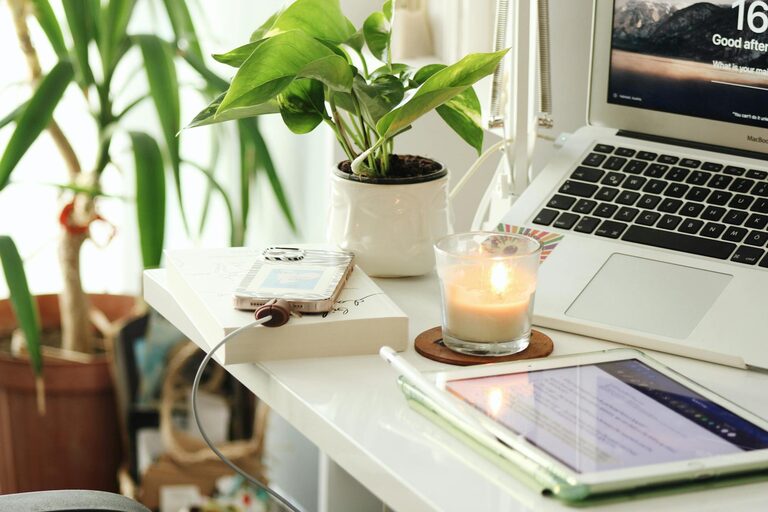
Creating a productive home office environment is essential for anyone working remotely or running a business from home. A well-organised and thoughtfully designed workspace can improve focus, reduce distractions, and make your working hours more enjoyable. Whether you are setting up a dedicated room or a small corner, these tips will help you create a home office that supports your best work.
1. Choose the Right Location
Selecting the right spot for your home office is the foundation of productivity.
– Quiet and Private: Aim for a space away from high-traffic areas and household noise to minimise interruptions.
– Natural Light: Position your desk near a window if possible. Natural light helps reduce eye strain and boosts mood.
– Separate from Relaxation Areas: Avoid working in places associated with rest, like the bedroom or sofa, to keep work and home life distinct.
2. Invest in an Ergonomic Setup
Comfort plays a huge role in maintaining focus and preventing fatigue.
– Ergonomic Chair: Choose a chair that supports your lower back and encourages good posture.
– Desk Height: Your desk should allow your elbows to rest at a 90-degree angle with wrists flat on the keyboard.
– Monitor Placement: Position your screen at eye level and about an arm’s length away to avoid neck and eye strain.
– Accessories: Consider a separate keyboard, mouse, and wrist rests for added comfort.
3. Keep Your Space Organised
Clutter can be a major distraction. A tidy, organised workspace promotes efficiency.
– Declutter Daily: Spend a few minutes tidying up your desk before and after work.
– Storage Solutions: Use shelves, drawers, or filing cabinets to keep documents and supplies organised.
– Cable Management: Use clips or cable organisers to prevent cords from tangling and creating mess.
– Minimalism: Keep only essential items on your desk to reduce distractions.
4. Optimise Lighting
Good lighting helps reduce eye strain and fatigue, so it’s important to get it right.
– Layered Lighting: Combine natural light with overhead and task lighting to avoid harsh shadows.
– Adjustable Desk Lamp: Use a lamp with adjustable brightness to focus light where you need it most.
– Avoid Glare: Position monitors and lights to prevent glare on your screen.
5. Reduce Noise and Distractions
A calm workspace encourages concentration.
– Noise-Cancelling Headphones: These can help block out distracting sounds.
– White Noise or Background Music: Some people find gentle background noise helps focus.
– Set Boundaries: Make household members aware of your working hours and that your space is for work.
– Turn Off Notifications: Silence unnecessary phone or computer alerts during focused work periods.
6. Personalise for Motivation
Adding personal touches can make your workspace more inviting and inspiring.
– Plants: Indoor greenery improves air quality and adds a calming effect.
– Artwork or Photos: Display pictures or prints that make you feel happy and motivated.
– Comfort Items: Use cushions or a footrest for additional comfort.
– Inspiration Board: Pin notes, goals, or quotes to keep you motivated.
7. Establish a Daily Routine
A productive environment is supported by consistent habits.
– Set Regular Hours: Try to start and finish work at consistent times to build structure.
– Breaks Matter: Take short breaks to stretch or rest your eyes to avoid burnout.
– Define “Start” Rituals: Simple actions like organising your desk or brewing a cup of tea can help signal the start of the workday.
– End-of-Day Routine: Clear your space and make a to-do list for the next day to switch off from work mode.
8. Use Technology Wisely
Leverage tools that support your productivity without causing distraction.
– Task Management Apps: Use apps or planners to keep track of deadlines and priorities.
– Communication Tools: Keep communication streamlined with apps like email or chat, but set boundaries on when to check them.
– Keyboard Shortcuts: Learn shortcuts to save time on regular tasks.
– Cloud Storage: Keep your files securely backed up and accessible from anywhere.
Conclusion
Creating a productive home office environment may require some trial and error, but the benefits are well worth the effort. By carefully selecting your workspace, investing in comfort, organising thoughtfully, controlling distractions, and establishing a routine, you can create a home office that helps you work efficiently and productively. Remember, the goal is to craft a space that supports your well-being and work style, making each day more enjoyable and effective.