
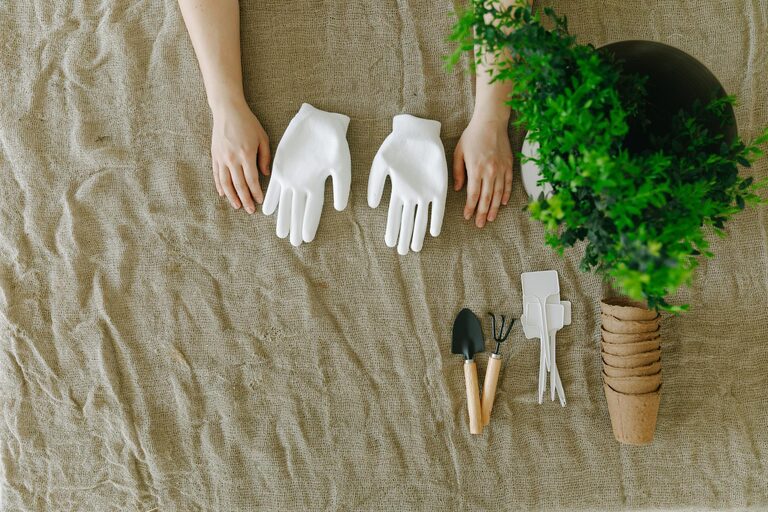
Creating a sustainable garden at home is a rewarding way to connect with nature, reduce your environmental impact, and enjoy fresh, healthy plants. Whether you have a small balcony or a spacious backyard, there are plenty of ways to make your garden eco-friendly and sustainable. This guide will provide practical tips to help you start and maintain a garden that supports biodiversity, conserves resources, and nurtures your local ecosystem.
Why Choose a Sustainable Garden?
Sustainable gardening focuses on working with nature rather than against it. It aims to:
– Reduce waste and pollution
– Conserve water and energy
– Support local wildlife, including pollinators
– Improve soil health
– Grow plants that thrive naturally in your area
By adopting sustainable practices, your garden can become a small haven for nature and a source of relaxation and enjoyment for you.
Planning Your Sustainable Garden
Choose Native and Adapted Plants
Native plants are naturally suited to your local climate, soil, and wildlife. They usually require less watering, fertilising, and pest control. Including native plants in your garden benefits the environment by providing food and habitat for insects, birds, and other wildlife.
If you cannot find enough native varieties, choose plants well adapted to your region’s conditions. Avoid invasive species, which can harm local ecosystems.
Design for Efficiency and Biodiversity
Plan your garden layout to include a variety of plants with different heights, colours, and flowering times. This diversity supports a wider range of pollinators and wildlife.
Consider incorporating features like:
– A small pond or water feature for amphibians and insects
– Log piles or rock heaps as shelter for beneficial bugs
– Areas with wildflowers or grasses
Strategic planning can help you create ecological balance and reduce maintenance.
Soil and Composting
Healthy soil is the foundation of a thriving sustainable garden. Instead of relying on chemical fertilisers, you can:
– Start a compost heap to recycle kitchen scraps and garden waste
– Use mulch to retain moisture and suppress weeds
– Incorporate organic matter like leaf mould or well-rotted manure
Composting not only reduces waste but also improves soil fertility and structure, supporting strong, resilient plants.
Water Conservation Techniques
Water is a precious resource, so conserving it in your garden makes a big difference.
Rainwater Harvesting
Set up rain barrels or water butts to collect rainwater from your roof. Use this water for irrigation instead of tap water.
Drip Irrigation and Soaker Hoses
These watering methods deliver water directly to the plant roots, reducing wastage through evaporation and runoff.
Mulching
As mentioned, mulch keeps soil moist and cool, helping plants thrive in dry spells.
Plant Grouping
Group plants with similar water needs together. This makes watering more efficient and prevents overwatering.
Pest and Weed Management
Sustainable gardening avoids synthetic pesticides and herbicides. Instead, try these natural methods:
– Encourage beneficial insects like ladybirds, lacewings, and bees by planting nectar-rich flowers
– Use companion planting to deter pests (for example, planting marigolds near tomatoes)
– Hand-pull weeds regularly or use mulch to suppress them
– Introduce physical barriers such as nets or collars for vulnerable plants
Remember, a balanced garden ecosystem usually keeps pest populations under control.
Sustainable Garden Maintenance
Use Tools Wisely
Opt for manual tools or battery-powered equipment instead of gas-powered ones to reduce pollution and noise.
Reuse and Recycle
Find creative ways to reuse old containers, pots, or scrap wood in your garden projects.
Seasonal Care
Adjust your gardening tasks according to the seasons. Plant cover crops or leave some areas wild over winter to protect soil and provide shelter for wildlife.
Benefits Beyond the Garden
A sustainable garden brings many personal and community rewards:
– Fresh, organic produce and herbs
– Increased biodiversity close to home
– Reduced household waste
– A relaxing outdoor space that promotes wellbeing
By gardening sustainably, you also set a positive example and contribute to a greener future.
—
Creating a sustainable garden at home is both practical and inspiring. With thoughtful planning and simple eco-friendly practices, you can cultivate a garden that is good for the planet and a joy to tend. Start small, experiment, and watch your green space flourish in harmony with the world around you. Happy gardening!