
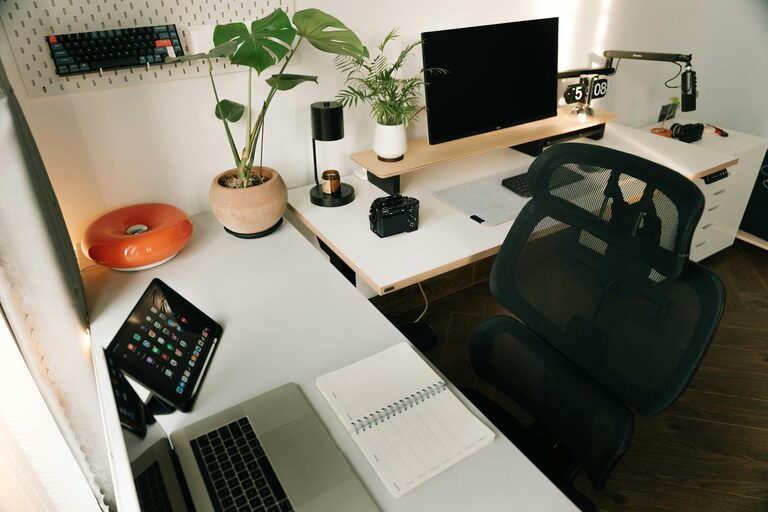
Creating a clutter-free home office is essential for maintaining focus, reducing stress, and maximising productivity. A well-organised workspace not only feels more inviting but also helps you work efficiently throughout the day. Whether you have a dedicated room or a small corner in your home, these practical tips will help you arrange a tidy, comfortable office space.
Why Organising Your Home Office Matters
A disorganised workspace can lead to distractions, lost time searching for items, and decreased motivation. Conversely, a neat and organised environment promotes clarity, encourages better time management, and reduces mental clutter. By implementing some straightforward organising strategies, you can transform your home office into a pleasant, productive zone.
Step 1: Declutter and Prioritise
Before you set up your office, start with a deep clean and declutter session.
– Sort through items: Separate essentials from non-essentials. Keep only what you use daily or weekly.
– Get rid of unused items: Donate, recycle, or throw away anything that doesn’t serve a purpose.
– Limit personal items: A few meaningful decorations are fine, but too many can be distracting.
Decluttering helps clarify what you actually need, making it easier to organise your space efficiently.
Step 2: Choose the Right Furniture
Selecting the appropriate furniture is key to comfort and practicality.
– Desk: Choose a desk with sufficient surface space and built-in storage options if possible.
– Chair: Invest in an ergonomic chair to support good posture and prevent discomfort during long working hours.
– Storage units: Use filing cabinets, shelves, or drawers to keep paperwork and supplies organised.
Consider the size of your room and ensure your furniture allows for easy movement.
Step 3: Maximise Storage Solutions
Effective storage reduces visible clutter and keeps everything in its place.
– Use vertical space: Install wall shelves or pegboards to store frequently used items.
– Drawer organisers: Divide drawers to keep stationery and smaller items neatly arranged.
– Boxes and baskets: Labelled containers can store cables, chargers, and miscellaneous materials.
Keeping storage solutions within reach helps maintain tidiness without interrupting workflow.
Step 4: Manage Paperwork Smartly
Paperwork can quickly become overwhelming if not organised properly.
– Go digital where possible: Scan and save important documents electronically.
– Use filing systems: Categorise papers with clearly labelled folders (e.g., invoices, receipts, client files).
– Schedule regular reviews: Set a monthly reminder to sort through and purge unnecessary papers.
A clear paper system saves time and avoids piles building up.
Step 5: Optimise Lighting and Layout
Good lighting and an uncluttered layout improve comfort and concentration.
– Natural light: Position your desk near a window to benefit from daylight.
– Task lighting: Use a desk lamp for focused work during darker hours.
– Ergonomic setup: Keep monitors at eye level and arrange your desk so you can sit comfortably without strain.
An organised and well-lit workspace reduces eye strain and fatigue.
Step 6: Personalise Thoughtfully
Personal touches can boost motivation but aim for a balance to avoid clutter.
– Inspiring items: Add a plant, a photo frame, or a small piece of artwork.
– Functional accessories: Use attractive pen holders or mousepads that also serve a purpose.
Ensure your personal items enhance, rather than distract from, your work.
Step 7: Maintain Your Space Regularly
Organisation is an ongoing process, not a one-time task.
– Daily tidy-ups: Spend 5–10 minutes at the end of your workday putting things back in place.
– Weekly deep clean: Dust surfaces, clear out your inbox or physical documents, and refresh your system.
– Adjust as needed: Be flexible and update your storage or layout when your needs change.
Consistent maintenance keeps your home office a pleasant, productive environment.
Extra Tips for Boosting Productivity
– Limit distractions: Use noise-cancelling headphones or a white noise machine if necessary.
– Keep essentials close: Have your most-used tools and supplies within arm’s reach.
– Set boundaries: If possible, create a clear separation between your work area and personal space.
By combining organisation with a comfortable setup, you’ll find it easier to focus and enjoy your working hours.
—
Creating a clutter-free home office doesn’t need to be complicated. With these actionable tips, you can build a workspace that supports both your productivity and wellbeing. Remember, the key is to keep things simple, organised, and personalised just enough to inspire you. Start small, maintain regularly, and enjoy the benefits of a tidy, comfortable home office every day.